
A pot filler will transform your kitchen with its convenience and impressive design.
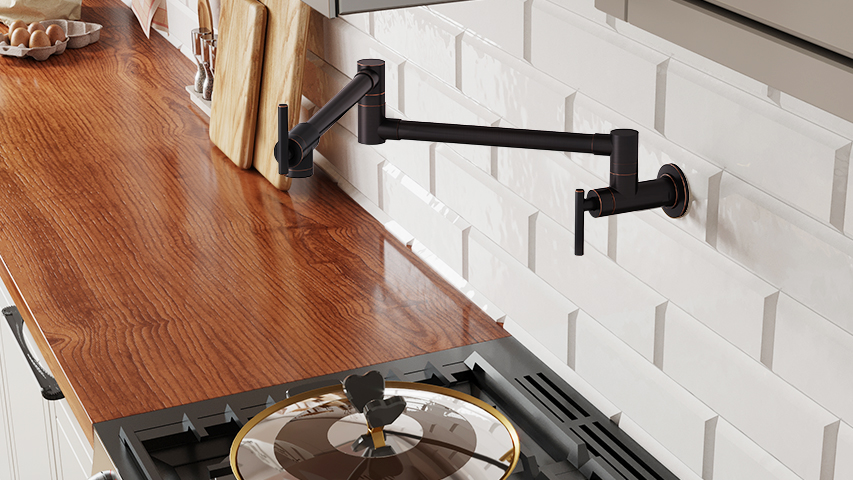
GIMILI Pot Filler Kitchen Faucet ORB
If you are in the process of renovating your kitchen, a pot filler, affectionately called a “pasta faucet” by some who love them, is an upgrade you’ll thank yourself for later. If you’re unfamiliar, it’s essentially a one-arm, single-temperature faucet installed above the stove. The key benefit is that you can fill pots with water directly by the cooktop—no more carrying heavy pots from the sink.
If you’re curious about pot fillers or considering installing one, you should know a few main characteristics. Below, you’ll find everything you need to know about this practical kitchen fixture. We’ll walk you through the advantages of installing a pot filler and cover the disadvantages to prepare you for your next kitchen refresh.
What Is a Pot Filler?
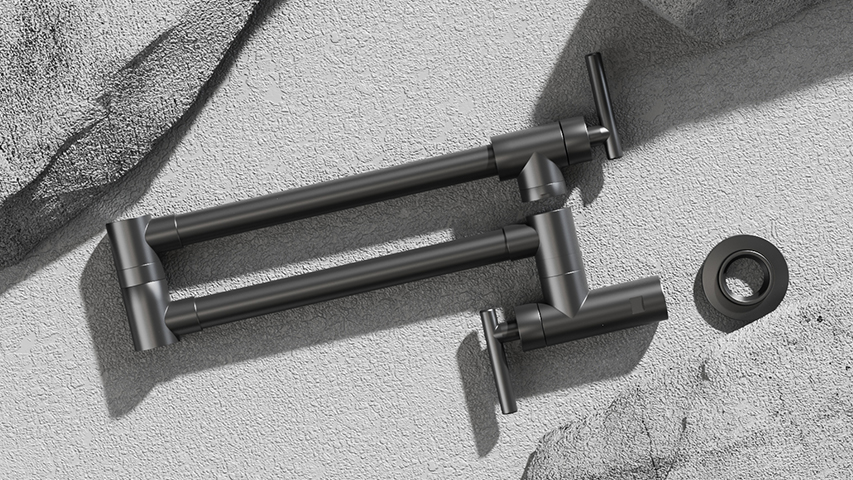
What differentiates a pot filler from a classic kitchen faucet is not just its location, but also its design. A pot filler is typically mounted on the wall above a stove or range and features an extendable arm that can be pulled out to easily fill pots with water, then folded back towards the wall when no longer in use, although there are models with fixed arm faucets.
This compact fixture doesn’t take up much space but makes a big impact both practically and visually. Pot fillers are available at various price points and in different styles, lengths, and finishes.
Advantages of Pot Fillers
One of the main advantages of installing a pot filler is convenience. Instead of filling a pot with water in the sink and carrying the heavy pot to the stove, you can fill the pot directly by the stove. This eliminates potential spills and messes and the strain of carrying heavy pots every time you boil spaghetti. In the process, you also save time since you don’t need to make as many trips back and forth to the kitchen faucet (but you will still have to carry the pot to the sink to drain it).
Pot Filler Styles
There is also an aesthetic advantage to installing this fixture—it’s a stunning design statement. Whether your kitchen is traditional or ultra-modern, there’s a pot filler to fit your style. Polished chrome, oil-rubbed bronze, aged brass, and brushed nickel are some available pot filler finishes.
“Many of our clients love incorporating pot fillers in their kitchens, and we’re big fans of them as well, particularly for those who love to cook,” says Mindy Gayer, principal designer at Mindy Gayer Design Co. “The ease, functionality, and practicality of a pot filler make them an easy addition to any kitchen design.”
Like a classic range or a beautiful professional oven, a pot filler is an elegant kitchen accent that adds a touch of timeless sophistication and luxury. Because it’s an upgrade that’s not standard in most kitchens, it’s also a great way to increase your home’s resale value.
Disadvantages of a Pot Filler
One of the main reasons this fixture is not standard in all homes is the cost. Pot fillers can be a significant investment because they range from several hundred dollars to several thousand. The price will depend on how extensive the work is to install one. If plumbing is already located behind the cooktop, that will save on expenses. However, expect to have to replace any backsplash tiles or other wall treatment where the faucet is installed if plumbing and water lines need to be added.
You might find that it’s an investment that makes sense to you, but if your kitchen is relatively small and you’re remodeling on a tight budget, this might be a splurge to skip.
Keep in mind that a pot filler will need consistent maintenance. Because it is mounted directly above the stove, it will be hit with splattering oil and simmering tomato sauce, so it will need regular cleaning to keep it in pristine shape.
Installing a Pot Filler
Before installing a pot filler, measure the space between your range and hood or upper cabinets to determine the correct placement. The last thing you want is to have drilled through a beautiful backsplash only to realize the pot filler isn’t in the right spot. Take out your cooking pots and place them on the stove, then position the pot filler on the wall to see at what height it needs to be mounted to ensure it can be used for both taller and shorter pots.
In addition to determining the correct height, decide whether you want the pot filler to be centered on the stove or off-center, either on the left or right side. If you have experience with plumbing, you might be able to install it yourself with instructions from the manufacturer, but this is typically a job best left to a professional.