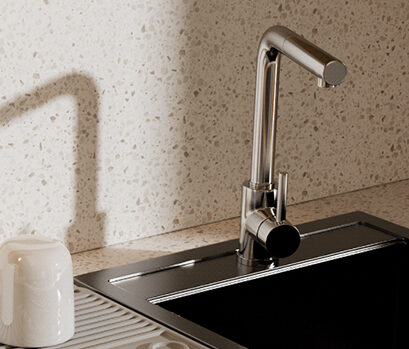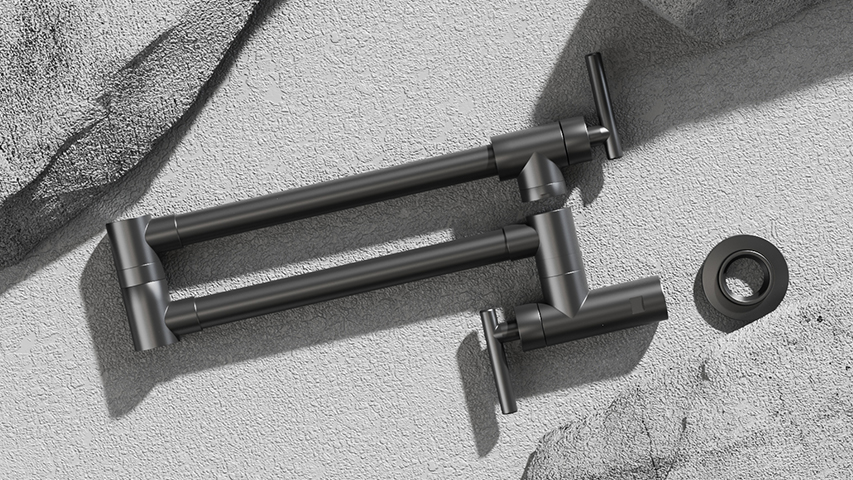

When selecting a commercial kitchen faucet, there are several important factors to consider to ensure it meets the needs of your kitchen environment. Here are key features and types to look for: GIMILI Commercial Kitchen Faucet

GIMILI Commercial Kitchen Faucet Brushed Nickel
Key Features
Durability: Commercial faucets should be made of high-quality materials like stainless steel or brass that can withstand heavy use and resist corrosion.
Flow Rate: Check the flow rate, typically measured in gallons per minute (GPM). A higher GPM can speed up washing and rinsing tasks.
Height and Reach: Look for a commercial faucet with a high spout for easy filling of pots and pans and sufficient reach to cover your sink area effectively.
Spray Options: Many commercial faucets come with a pull-down or pull-out spray head for added flexibility in cleaning and rinsing.
Ease of Use: Consider single-lever or dual-handle designs for easier operation, especially when hands are dirty.
Installation Type: Choose between deck-mounted or wall-mounted options based on your sink and kitchen layout.
ADA Compliance: Ensure the commercial faucet is compliant with the Americans with Disabilities Act (ADA) if necessary for accessibility.
Types of Commercial Kitchen Faucets
- Pre-Rinse Faucets: These are designed for rinsing dishes before washing them in a dishwasher. They typically have a high arc and a flexible spray head.
- Utility Faucets: Ideal for various tasks, these commercialfaucets often feature a high spout and may include a side spray attachment.
- Single-Handle Faucets: These faucets allow for easier control of temperature and water flow with a single lever.
- Dual-Handle Faucets: Provides separate controls for hot and cold water, giving precise temperature control.
- Wall-Mounted Faucets: These are good for saving space and are often used in commercial kitchens with deep sinks.
- Electronic Faucets: Touchless or sensor-operated faucets that improve hygiene and convenience.
Installation and Maintenance
- Professional Installation: It’s often recommended to have a professional plumber install commercial faucets to ensure proper fitting and function.
- Regular Maintenance: Clean aerators and check for leaks regularly to maintain performance.
Conclusion
Choosing the right commercial kitchen faucet involves understanding your kitchen’s specific needs, considering the type of tasks you’ll be performing, and selecting a model that offers durability, efficiency, and ease of use. Always review user feedback and warranties to ensure you’re making a wise investment.