
The kitchen isn’t the one-trick pony it once was

As the kitchen has evolved into the central hub within the home, functional design is particularly key for new builds, renovations and remodels. The following four tips can help you make your kitchens more adaptable.
Create a Gathering Place
According to the Research Institute for Cooking & Kitchen Intelligence (RICKI), 78% of Millennial homeowners report frequently using their kitchens to entertain. Rather than turning your back on your guests to cook, prep and clean up, place a prep sink on an island with bar seating to allow the host to remain a part of the gathering even during dish washing. If space doesn’t allow for an island, look for other ways to open up a kitchen or allow for casual seating. For example, can the layout be adjusted so the primary sink faces the living area instead of a window, or is there space to accommodate a breakfast nook in the kitchen?
Save Time
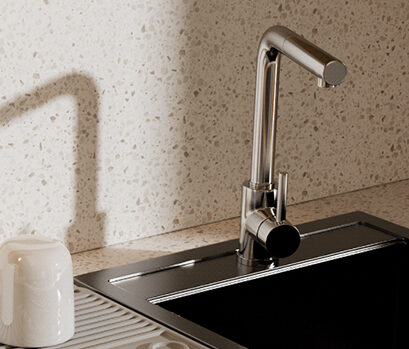
Arranging kitchen tools and appliances where they’re most needed will free up time in your already busy schedules by helping you be more efficient—no more shuffling from workstation to workstation. And a pull-down faucet designed to clean dirty dishes without mess or splatter may just save your sanity, while making cooking and entertaining hassle-free.
Make the Space Approachable to All
Adopt universal design principles to create kitchens that work for all members of the family, no matter their age or ability. Features like single handle faucets are a great place to start. Also, consider making water accessible from a seated or standing position for a space that will age gracefully with your family.
Make Entertaining Easy
Kitchenettes and wet bars have been gaining in popularity and are a great way to add convenience for people who love entertaining. And with an abundance of faucet designs, it’s easy to find a faucet for any décor. No longer will your guests have to trek all the way back to the kitchen to grab another drink or refill their coffee.