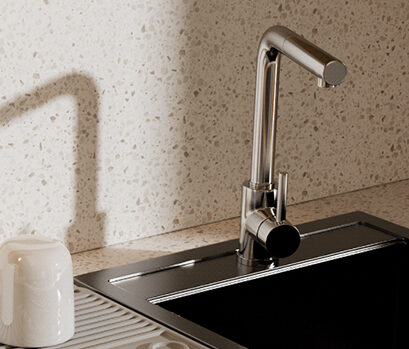

Prep kitchens offer a private auxiliary space for food preparation and pantry storage to prevent clutter and mess in the main kitchen.
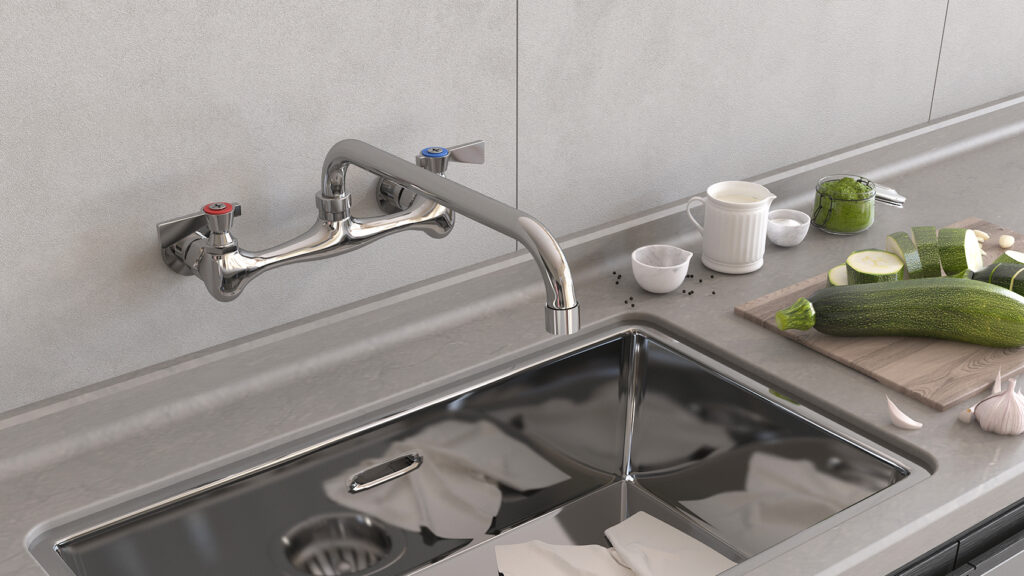
The kitchen is one of the most important spaces in a home. It’s where meals are made, where family and friends gather, and where we nourish our bodies. It’s no wonder that homeowners like to put a little extra functionality into their interior design when space permits, and a kitchen feature that home experts are seeing many opt for is the prep kitchen.
Origin of the Prep Kitchen
The concept of an ancillary workspace for the kitchen is certainly not new. In the 19th century, wealthy English and American homes were regularly outfitted with butler’s pantries (a term still used today), which were used to store silverware, china, serving pieces, and other kitchen items.
Characteristics of Modern Prep Kitchens
Today, prep kitchens (also called prep pantries) are becoming increasingly popular for homeowners who entertain regularly or simply want to keep their kitchens clutter-free. This modern iteration of a butler’s pantry is no longer reserved for the richest, although it does require a home with some space to spare.
Modern prep kitchens are separate spaces attached to the main kitchen designated specifically for food preparation. Like a regular pantry, prep kitchens are also used for food and small appliance storage. The space includes countertops, shelving, and sometimes even dishwashers, stoves, coffee makers, microwaves, and more—all the things you need to easily prep a meal, hidden from the view of the main kitchen.
Butler’s Pantry vs. Prep Kitchen
So what’s the difference between a butler’s pantry and a prep kitchen? While both are auxiliary kitchen spaces designed for storage and preparation, modern butler’s pantries tend to be smaller walk-through areas or hallways that lead to the dining room. Butler’s pantries are primarily used for storing glassware and barware, preparing drinks, and staging food before serving. They may have limited counter space, a bar sink, and a drink or wine fridge.
In contrast, prep kitchens are larger and designed to support all kinds of food preparation and daily kitchen tasks. The space is out of the way of other activities that may take place in the modern kitchen or open-concept space, including homework, working from home, entertaining, and more.
Who Can Benefit from a Prep Kitchen?
Anyone who hosts regularly knows that no matter what you do, guests will inevitably gather in the kitchen at one point or another, even in non-open-concept floorplans. So, having a separate space where you can easily prepare food and drinks while keeping the kitchen presentable is an appealing design feature. “In modern times, prep pantries are attractive to those who entertain frequently since it keeps the ‘mess’ out of the main kitchen,” says professional organizer and pantry expert Melissa Gugni.
A prep kitchen is also helpful for some households even when you’re not entertaining. “I am finding that larger families like them, too, since they keep the kitchen chaos confined to the side,” Gugni says. She adds, “I have helped design prep pantries with lower drawers and cabinets customized for kids’ snacks and things that are easy for them to grab.”
Key Features to Include in a Prep Kitchen
A good prep kitchen is one that’s customized to the homeowner’s needs and lifestyle, according to Gugni. “For entertaining, a refrigerator, ice maker, wine fridge, oven, and dishwasher would be ideal,” she says. “For a family, a blender, toaster, coffee maker/grinder, baby food maker, bottle warmer, and other appliances—particularly ones that don’t look great aesthetically—can fit well.”
At the very least, most prep kitchens should have enough counter space to easily prepare food, as well as a sink and plenty of storage. Gugni also recommends integrating your dry goods storage within your prep kitchen: “It is both practical and can look so beautiful. I am partial to open shelving on one wall for jars of grains and beans and spices,” she says.
Frequently Asked Questions
- What is a prep kitchen?A prep kitchen is an auxiliary kitchen space located off the main kitchen. Its purpose is to provide an area for food prep and storage hidden from sight so the main kitchen design can take centerstage without clutter or mess disrupting the aesthetic.
- Are prep kitchens called by other names?Prep kitchens are also known as prep pantries, mess kitchens, butler’s pantries, caterer’s kitchens, and secondary kitchens.
- Do I need a prep kitchen?No, you don’t need a prep kitchen. However, if you entertain frequently, have a large family, or often battle clutter and mess in your main kitchen, you may find adding a prep kitchen is helpful for your needs.